

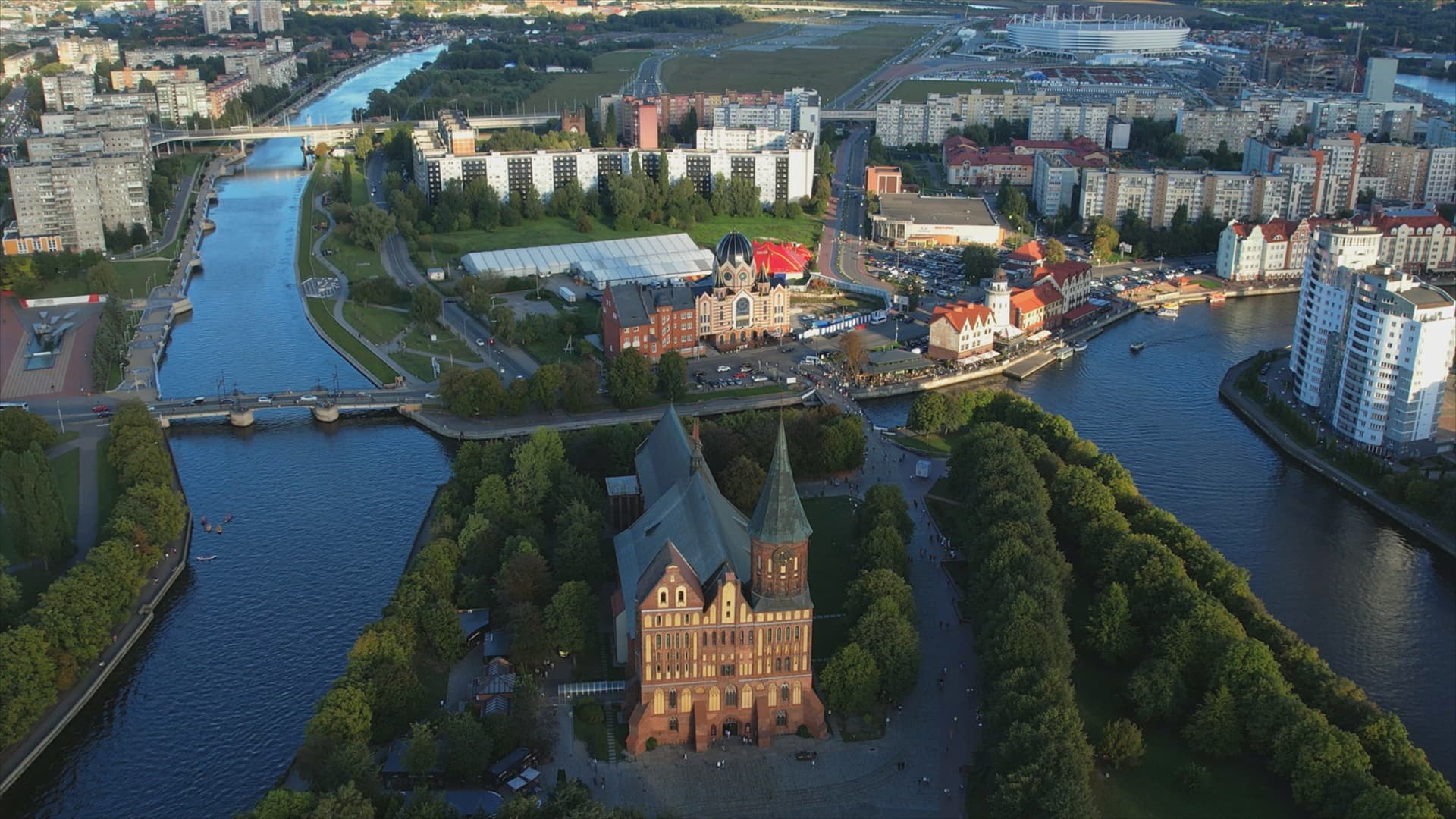
800 Years from Königsberg to Kaliningrad
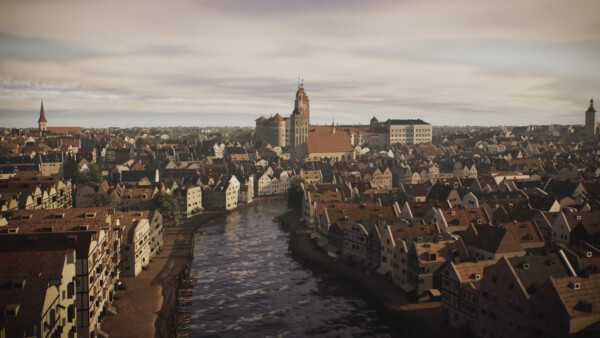
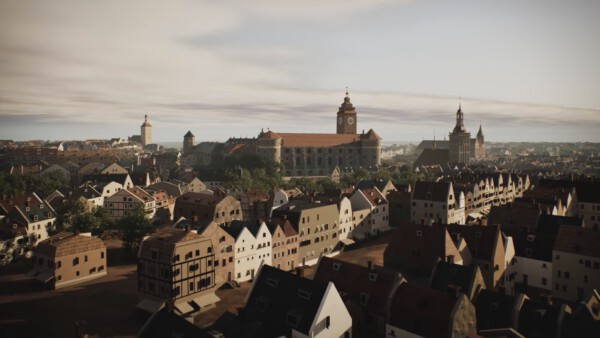
Königsberg, the city of the Enlightenment and German culture, was founded in 1255 as a castle of the Teutonic Order and, after the establishment of the Duchy of Prussia, quickly developed into the intellectual and economic center of East Prussia. It was from here that the Reformation and humanism spread, and German, Baltic, and Slavic influences merged.
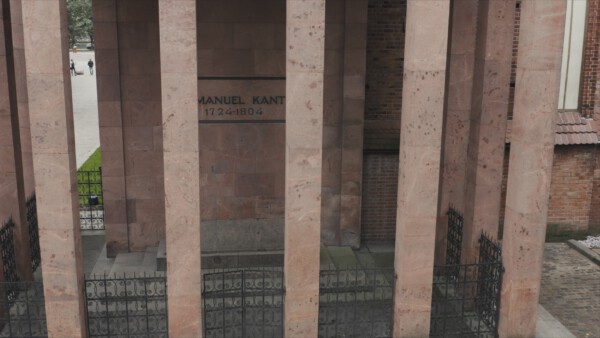
Under Duke Albrecht, the Albertus University – one of the first Protestant universities – was founded in 1544, and Königsberg became the cradle of enlightened thought. Immanuel Kant, the great philosopher of modernity, spent his entire life here. His “Critique of Pure Reason” and his writings on practical reason formed the foundation of the European Enlightenment. He himself demanded: “Have the courage to use your own understanding.” This motto of the Enlightenment shaped the intellectual heritage of the city. From Königsberg, his ideas spread throughout Europe and influenced generations of thinkers.
The Jewish community also shaped the cultural life of the Hanseatic city. Jewish merchants, intellectuals, and publishers made the city the third-largest Jewish community in Germany after Berlin and Breslau and one of the most important centers of Jewish enlightenment, the Haskalah. Names such as Hannah Arendt, who grew up in Königsberg and whose work is also imbued with Kant's ideas, continued this tradition and show how closely Jewish intellectual life and German culture were linked here.
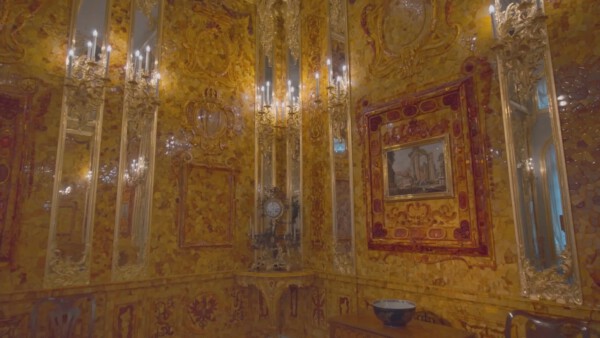
For centuries, Königsberg was a melting pot of knowledge and the arts and, at the same time, the most important center for trade and processing of the “gold of the north” – the famous amber. The baroque masterpiece, the legendary Amber Room, which was later also called the eighth wonder of the world, was created and disappeared in Königsberg. It is a testament to artistic splendor and Prussian self-confidence.
The cataclysmic event of the 20th century, World War I, radically changed the geopolitical situation of Königsberg. East Prussia was cut off from the rest of Germany and could only be reached via a corridor. The bombing raids of World War II then completely destroyed the city. The conquest by the Red Army brought the German era to an abrupt end in 1945. In 1946, the destroyed city was given the Soviet name Kaliningrad, and the German population was completely expelled. But the intellectual legacy of the Enlightenment, which originated here, remains eternal. Today, the Kant Mausoleum and the reconstructed synagogue in Kaliningrad are reminders of the traces of diverse German culture.
Production | Clever Contents GmbH on behalf of 3sat
Genre | documentary
Script | Alexander Frohner
Director | Alexander Frohner
Idea, editor and production manager I Ekaterina Sidorenko
Length | 45 minutes
Year of Production | 2025
First broadcasting | November, 18th 2025 on 3sat


© Clever Contents GmbH 2026, Imprint, Data security, AGB