

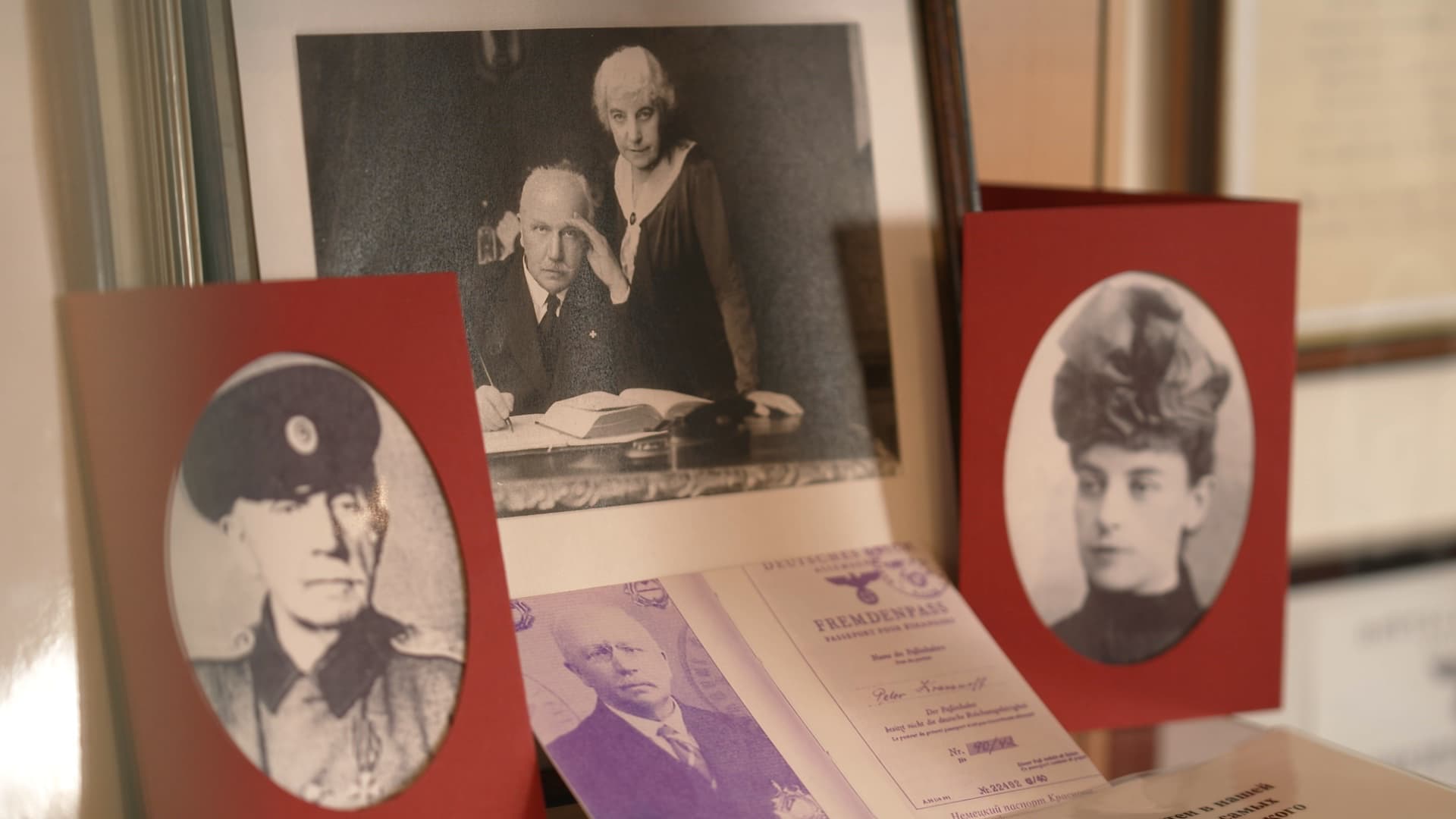
The Fight for Russia and the Destiny of the White Army
From resistance against the Red Army to exile in Europe: the White Army is always on the move, as standing still could be fatal. The gold of the murdered tsar is supposed to finance their war.
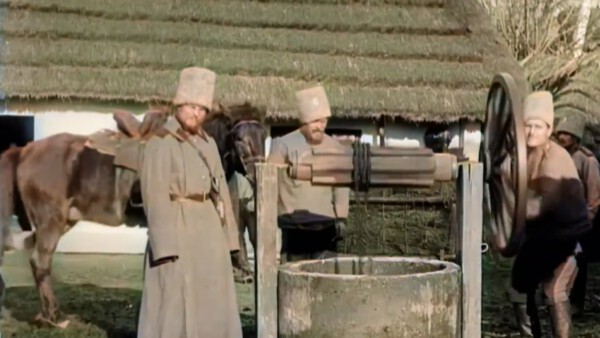
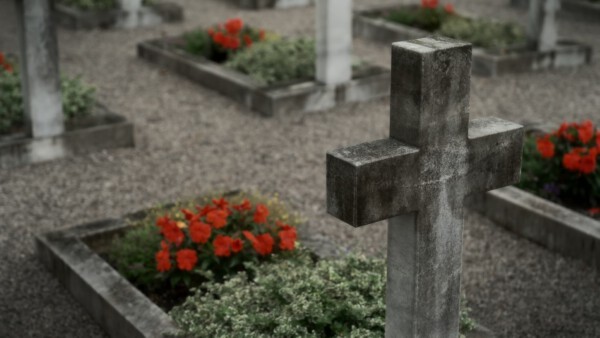
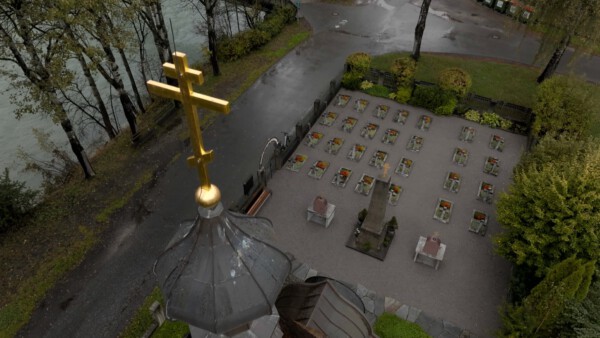
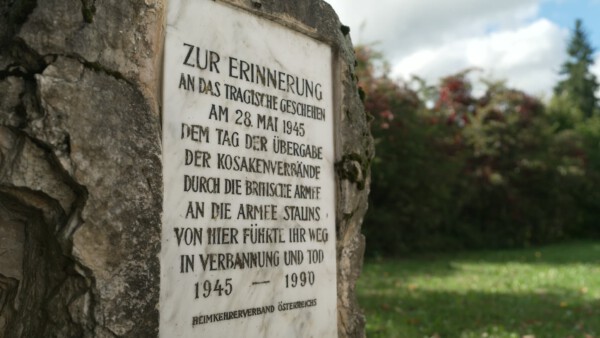
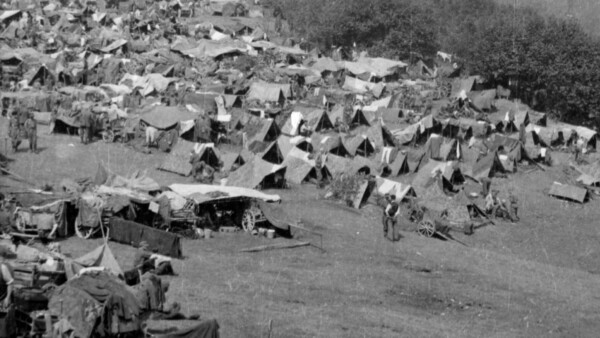
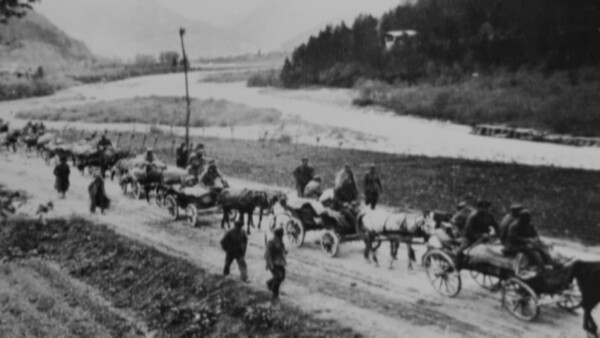
The film by Florian Riedelsperger and Ekaterina Sidorenko begins this chapter of history, which is important for the whole of Europe, in Austria. In the middle of the Alps in East Tyrol, the Cossack cemetery in Lienz still reminds us today of a dark chapter in European history: the long journey of the White Army came to a tragic end here in 1945 after 27 years of war, flight, and survival. In the summer of 1945, 25,000 people—soldiers along with their wives, children, and relatives—and around 5,000 horses sought refuge here from the Red Army, which wanted to bring the Cossacks back to their homeland.
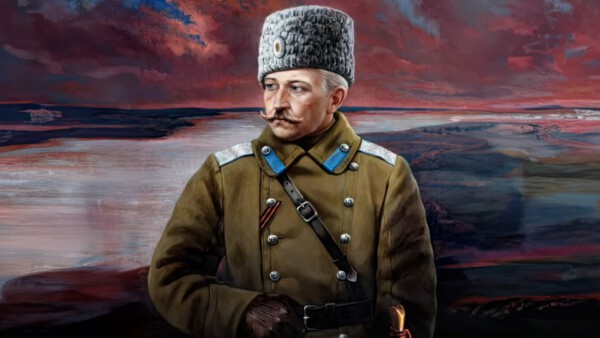
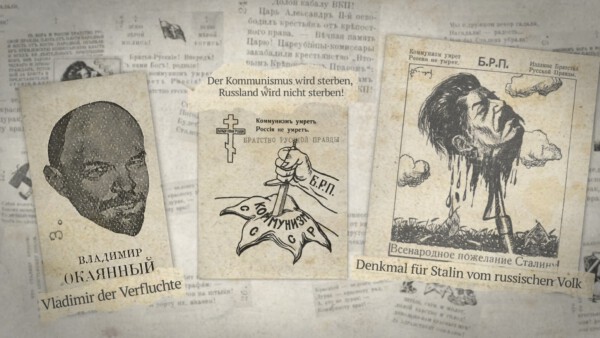
Russia, 1917: Tsar Nicholas II is forced to abdicate, bringing an end to the Romanovs' 300-year reign. Lenin and his wife, Nadezhda Krupskaya, who is working to promote literacy in the Red Army even while in exile, return from Switzerland with German support to reshape the country according to their vision. But alongside the Bolsheviks, Lenin's followers, another force is forming that claims Russia for itself: the White Army. It is largely made up of generals and officers from the former tsarist armed forces – avowed enemies of the communists.
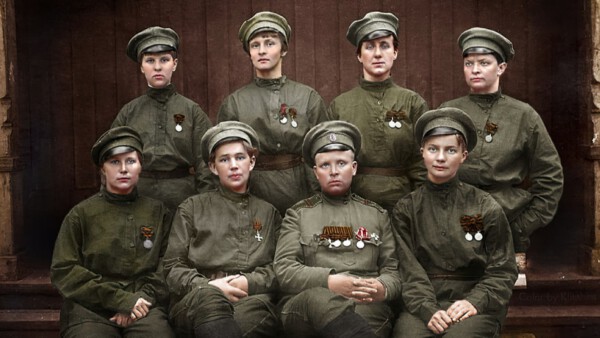
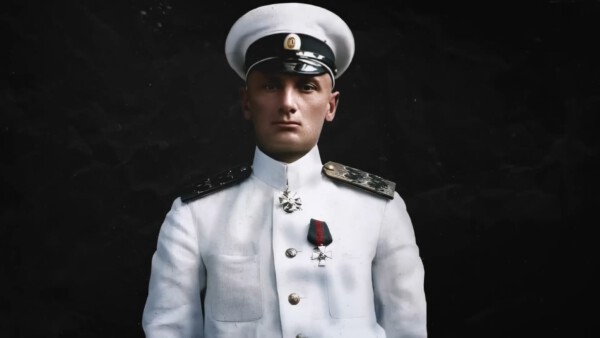
But it also included women such as Maria Botchkareva, who commanded the famous Women's Battalion of the White Army. Quite a few noblewomen supported the White Army financially. Under General Kolchak, the first coup d'état succeeded in Siberia in 1918, but this was only the prelude to the coming years of war. Until 1922, the Red and White Armies fought a brutal battle for Russia.
After their defeat, the White Army under General Wrangel fled to the Balkans, while many other Russians scattered across Europe. Paris became a center of Russian emigration, where former princesses worked as models or had to earn their living by other means.The so-called “White Emigrants” play an important role in the economy, but above all culturally. White is the color of the Tsar, which is why all supporters of the Tsar — whether armies or private individuals — are referred to as such. For they see no future in a country ruled by the Red Army.
With Hitler's invasion of Russia, the soldiers of the White Army saw an opportunity to fight the hated Bolsheviks. For many, Hitler's fascism was the only real threat to communism. During the civil war, nationalism held the White movement together and united it, especially in exile. A large part of the Cossacks took part in the Russian Civil War on the side of the tsarist “Whites.”
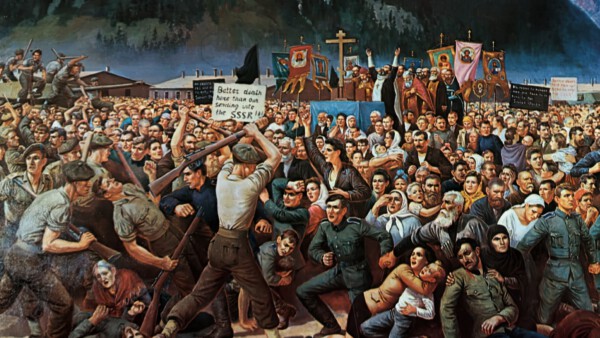
Under Lenin and later Stalin, the majority of Cossacks were collectively persecuted as “anti-Bolsheviks,” with a large proportion openly sympathizing with Nazi Germany, which they regarded as a bulwark against Stalin. But the end of World War II proved the opposite, with the White Army facing the ruins of its hopes for a liberated Russia. And it was handed over to the Soviet Union by the British through a ruse.
Production | Clever Contents GmbH on behalf of 3sat
Genre | documentary
Script | Ekaterina Sidorenko and Florian Riedelsperger
Director | Florian Riedelsperger
Idea, editor and production manager I Ekaterina Sidorenko
Length | 45 minutes
Year of production | 2025
First broadcasting | November, 18th 2025 on 3sat

© Clever Contents GmbH 2026, Imprint, Data security, AGB